










If you are new to Forex trading, one of the most important concepts you will come across is the spread. Many beginner traders focus only on profit and loss but ignore the small trading costs that affect every trade. One of the main trading costs in Forex is the spread.
Understanding what spread is and how it works can help you become a better trader. It can also help you choose the right broker and improve your trading strategy. In simple terms, the spread is the difference between the bid price and the ask price of a currency pair. This small difference is usually the fee that the broker charges for executing your trade.
In this guide, we will explain what spread in Forex is, how it works, how to calculate it, the different types of spreads, and why it is important for traders. By the end of this article, you will clearly understand how spread affects your trading and how you can manage it effectively.
What is Spread in Forex?
Spread in Forex refers to the difference between the bid price and the ask price of a currency pair.
The bid price is the price at which the market or broker is willing to buy a currency pair from you. The ask price is the price at which the broker is willing to sell the currency pair to you.
The difference between these two prices is called the spread.
For example:
Bid Price: 1.1000
Ask Price: 1.1002
Spread = Ask Price – Bid Price
Spread = 1.1002 – 1.1000 = 0.0002
This difference of 0.0002 is known as the spread, which is usually measured in pips.
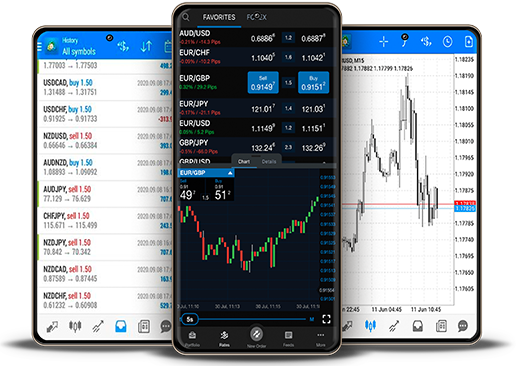
In most Forex trading platforms like MT4 or MT5, the spread is shown automatically in the trading terminal. Traders do not need to calculate it manually, but understanding the calculation helps you understand the cost of each trade.
Simple Formula to Calculate Spread
You can calculate spread using this simple formula:
Spread = Ask Price – Bid Price
Some beginners write it the opposite way, but the correct formula is:
Ask Price – Bid Price = Spread
Example:
Bid Price = 1.2050
Ask Price = 1.2053
Spread = 1.2053 – 1.2050
Spread = 0.0003
If one pip equals 0.0001, then the spread is 3 pips.
This means that when you open a trade, the market must move at least 3 pips in your favor before you start making profit.
Why Do Brokers Charge Spread?
Brokers provide trading platforms, liquidity, and access to the Forex market. In return, they need to earn money from the service they provide. One of the most common ways brokers earn money is through the spread.
Instead of charging a direct commission on every trade, many brokers simply add a small difference between the bid and ask prices.
This difference becomes the broker’s revenue.
There are generally two ways brokers make money:
1. Through spreads
2. Through commissions
Some brokers offer low spreads but charge a commission per trade, while others provide commission-free trading but slightly higher spreads.
Types of Forex Spreads
Not all spreads are the same. Brokers usually offer two main types of spreads.
Fixed Spread
A fixed spread remains the same regardless of market conditions. Whether the market is volatile or calm, the spread stays constant.
For example, if a broker offers a 2-pip spread on EUR/USD, it will remain around 2 pips most of the time.
Advantages of Fixed Spread:
Predictable trading costs
Good for beginners
Better for stable market conditions
Disadvantages:
Usually slightly higher than variable spreads
May increase during extreme market volatility
Variable Spread
Variable spreads change depending on market conditions, liquidity, and volatility.
When the market is very active and liquid, spreads are usually very low. However, during major news events or low liquidity periods, spreads can widen significantly.
Advantages of Variable Spread:
Often lower than fixed spreads
Better for experienced traders
More accurate market pricing
Disadvantages:
Spreads can increase during news events
Less predictable trading costs
What is a Low Spread?
A low spread means the difference between the bid and ask price is small. This is generally good for traders because it reduces the cost of trading.
For example:
Low Spread Example
Bid Price: 1.1000
Ask Price: 1.1001
Spread = 1 pip
High Spread Example
Bid Price: 1.1000
Ask Price: 1.1005
Spread = 5 pips
In the second example, the trader must cover 5 pips before making profit, which makes trading more expensive.
That is why many traders prefer brokers that offer low spreads.
How Spread Affects Your Trading
Spread directly affects your profit and loss.
When you open a trade, it immediately starts with a small loss equal to the spread. The market must move in your favor to recover that cost before you can start making profit.
Example:
Suppose you buy EUR/USD at 1.2002 with a spread of 2 pips.
The bid price is 1.2000.
If the market does not move, your trade shows a small loss because of the spread.
Only when the price moves above 1.2002 will you start seeing profit.
This is why scalpers and short-term traders pay close attention to spreads, because they open many trades and even small spreads can add up.
Spread and Trading Strategies
Different trading strategies are affected differently by spreads.
Scalping
Scalping involves making many small trades for small profits. Because profits are small, spreads play a very important role.
Scalpers usually choose brokers with very tight spreads.
Day Trading
Day traders open and close trades within the same day. Spread still matters, but it is not as critical as in scalping.
Swing Trading
Swing traders hold positions for several days or weeks. Because their profit targets are larger, spreads have less impact on their overall strategy.
Factors That Affect Forex Spread
Several factors influence the size of the spread in Forex trading.
Market Liquidity
When the market has high liquidity, spreads are usually lower. Major currency pairs like EUR/USD typically have very small spreads because they are traded heavily.
Market Volatility
During major economic news releases, spreads often widen because price movements become unpredictable.
Trading Session
Different trading sessions can affect spreads. For example, spreads are usually lowest during the London and New York sessions because these are the most active trading periods.
Broker Type
ECN brokers often provide lower spreads because they connect traders directly with liquidity providers. Market maker brokers may offer slightly wider spreads.
Currency Pair
Major currency pairs usually have the lowest spreads, while exotic currency pairs often have higher spreads due to lower liquidity.
How to Check Spread in MT4 or MT5
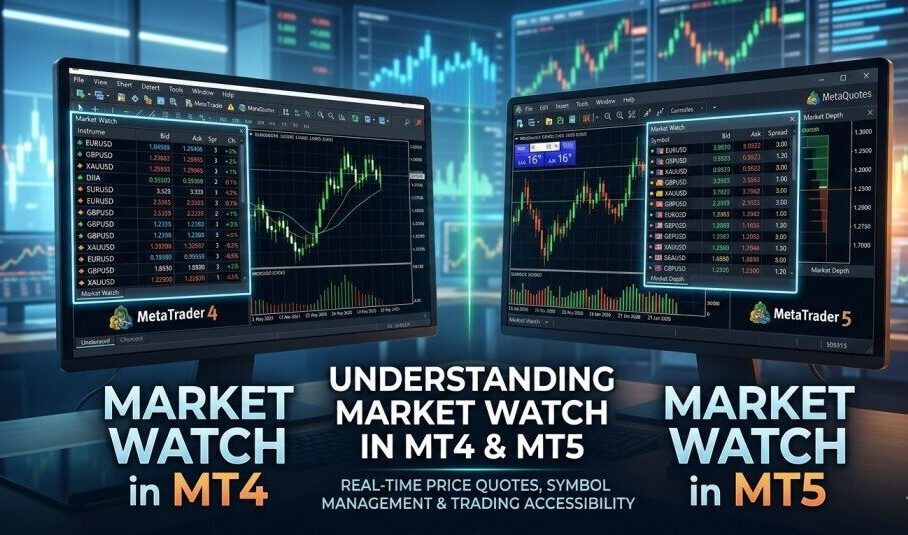
If you are using trading platforms like MT4 or MT5, you can easily see the spread in the Market Watch window.
Steps:
Open Market Watch
Right-click inside the window
Select “Spread”
The platform will display the spread for each currency pair
This helps traders quickly compare spreads before opening a trade.
Tips to Trade with Low Spread
Here are some practical tips to reduce spread costs.
Choose a reliable low-spread broker
Many professional traders prefer brokers that provide tight spreads and fast execution.
Trade during active market hours
Spreads are usually lowest during the London and New York sessions.
Avoid trading during major news releases
Spreads can widen dramatically during economic announcements.
Focus on major currency pairs
Pairs like EUR/USD, GBP/USD, and USD/JPY generally have the lowest spreads.
Common Mistakes Beginners Make About Spread
Ignoring spread cost
Many beginners only focus on profit targets and forget that spread is a trading cost.
Choosing brokers with very high spreads
High spreads can significantly reduce trading profitability.
Trading during low liquidity times
Spreads often widen during late-night sessions or holidays.
Conclusion
Spread is one of the most important concepts in Forex trading. It represents the difference between the bid price and the ask price and acts as a trading cost paid to the broker.
Understanding how spread works can help traders manage their costs, choose better brokers, and improve their overall trading performance.
A lower spread means lower trading costs and better opportunities for profit. This is especially important for scalpers and day traders who open multiple trades.
Before starting live trading, every trader should learn how to check spreads on their trading platform and select a broker that offers competitive spreads.
By understanding the concept of Forex spread and applying the right trading practices, you can make smarter trading decisions and improve your long-term success in the Forex market.