







What is Physical Forex?
Physical Forex is the act of exchanging one country’s currency for another country’s currency in person. Think of it as what you do at an airport money exchange, bank, or currency shop before traveling abroad. You’re literally handing over physical cash and receiving different physical cash in return.
Simple example:
You’re going to Europe for vacation. You bring US Dollars to a currency exchange booth, give them $100 USD, and receive 85 Euros in cash (depending on the exchange rate that day).
Physical Forex vs. Online Forex Trading: The Big Difference
| Physical Forex | Online Forex Trading |
|---|---|
| You handle real paper money | You trade digital currency pairs |
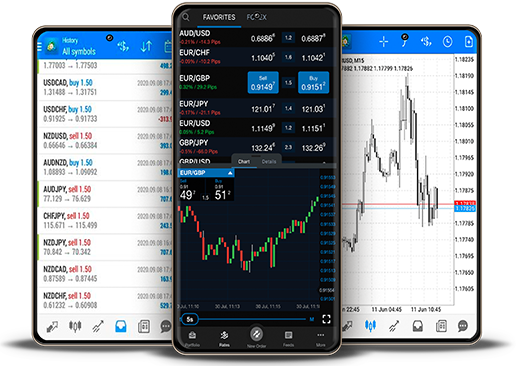
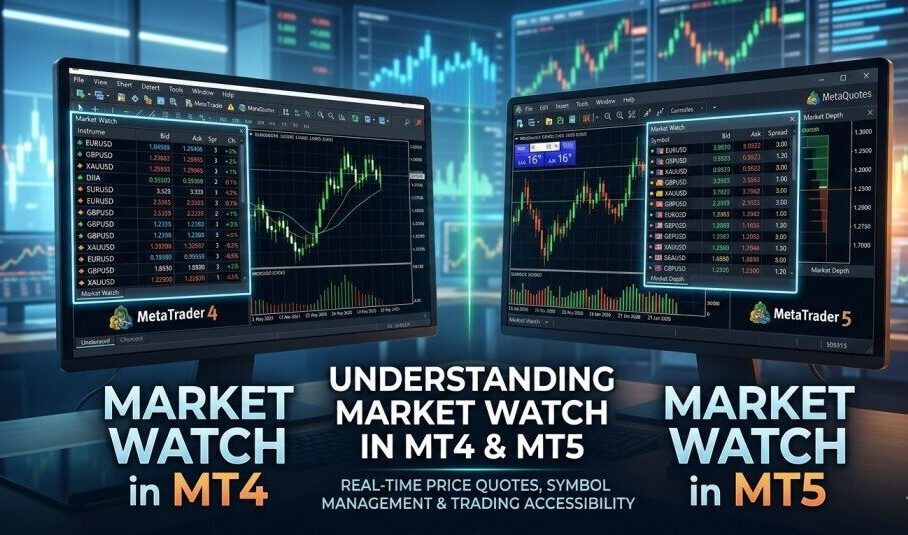
| Done at banks, airports, exchange shops | Done on computer/phone apps (MT4, MT5) |
| Usually for travel, gifts, or personal use | Usually for investment/speculation |
| You get actual foreign cash in hand | You never touch physical money |
| Exchange rate includes big fees/spread | Can trade with tighter spreads |
| Limited to business hours/locations | Trade 24/5 from anywhere |
How Does Physical Forex Work? (Real Example)
Let’s break down your example with clearer numbers:
Step 1 – First Exchange
You go to a currency exchange with $1,000 USD.
Exchange rate offered: 1 USD = 0.85 EUR
You exchange all $1,000 and get: €850 in cash.
Step 2 – Waiting Period
You keep the €850 cash for a while because you think the Euro will get stronger against the Dollar.
Step 3 – Second Exchange (Later)
After a few weeks, the Euro HAS gotten stronger!
New exchange rate: 1 EUR = 1.10 USD
You take your €850 back to the exchange.
You exchange all €850 and get: $935 USD in cash.
Your Result:
You started with: $1,000 USD
You ended with: $935 USD
You actually LOST $65 in this example!
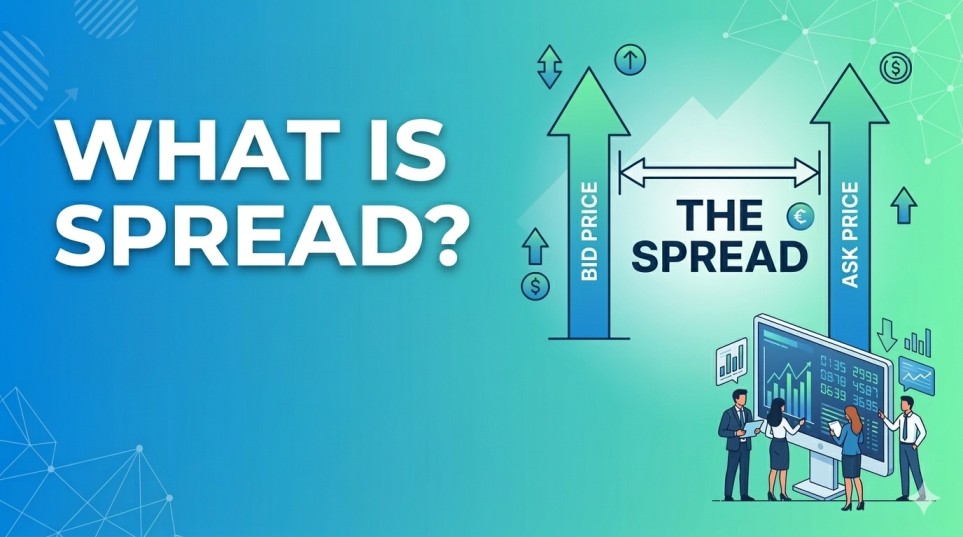
Wait – why the loss? Because exchange shops charge fees through the “spread” – the difference between their buy and sell rates. This is why physical exchange is usually not profitable for short-term trading.
When Physical Forex MAKES SENSE
Physical currency exchange is useful for:
- International Travel – Getting local cash for your trip
- Sending Money Abroad – Though services like Wise or PayPal are often cheaper
- Keeping Foreign Cash – Some people keep stable foreign currencies as a safety net
- Business Needs – Import/export businesses that need to pay in foreign cash
Why NOT to Use Physical Forex for Investing
- High Fees – Exchange shops make money on the spread (difference between buy/sell rates)
- Inconvenient – You have to go in person each time
- Storage Risk – Keeping large amounts of cash is unsafe
- No Leverage – You can only exchange what you have in cash
- Slow – Can’t react quickly to market news
Better Option for Beginners: Demo Trading
If you’re interested in currency trading for profit (not just travel money), online forex trading with a demo account is the smart start.
Why?
- Practice with virtual money – no risk
- Learn on real trading platforms (MT4/MT5)
- Understand real market movements
- Test if trading is right for you
📱 Ready to try digital forex trading risk-free?
[Click here for a FREE Forex Demo Account]
Quick Comparison Table
| Purpose | Physical Forex | Online Forex |
|---|---|---|
| Getting travel money | ✅ BEST | ❌ No |
| Short-term investing | ❌ Bad | ✅ BEST |
| Long-term savings | ⚠️ Okay | ✅ Good |
| Learning trading | ❌ No | ✅ BEST |
| Sending money abroad | ⚠️ Okay | ✅ Better |
Bottom Line: Physical forex is for getting foreign cash in your hand. Online forex trading is for investing in currency values. They’re related but completely different activities.
For beginners wanting to learn trading: Start with an online demo account to practice without risking real money. Physical currency exchanges are for practical needs, not for building trading skills.
Remember: All trading involves risk. Only use money you can afford to lose when you transition from demo to live trading. Past performance doesn’t guarantee future results.